Regions
1. Lisbon and Surrounding Areas
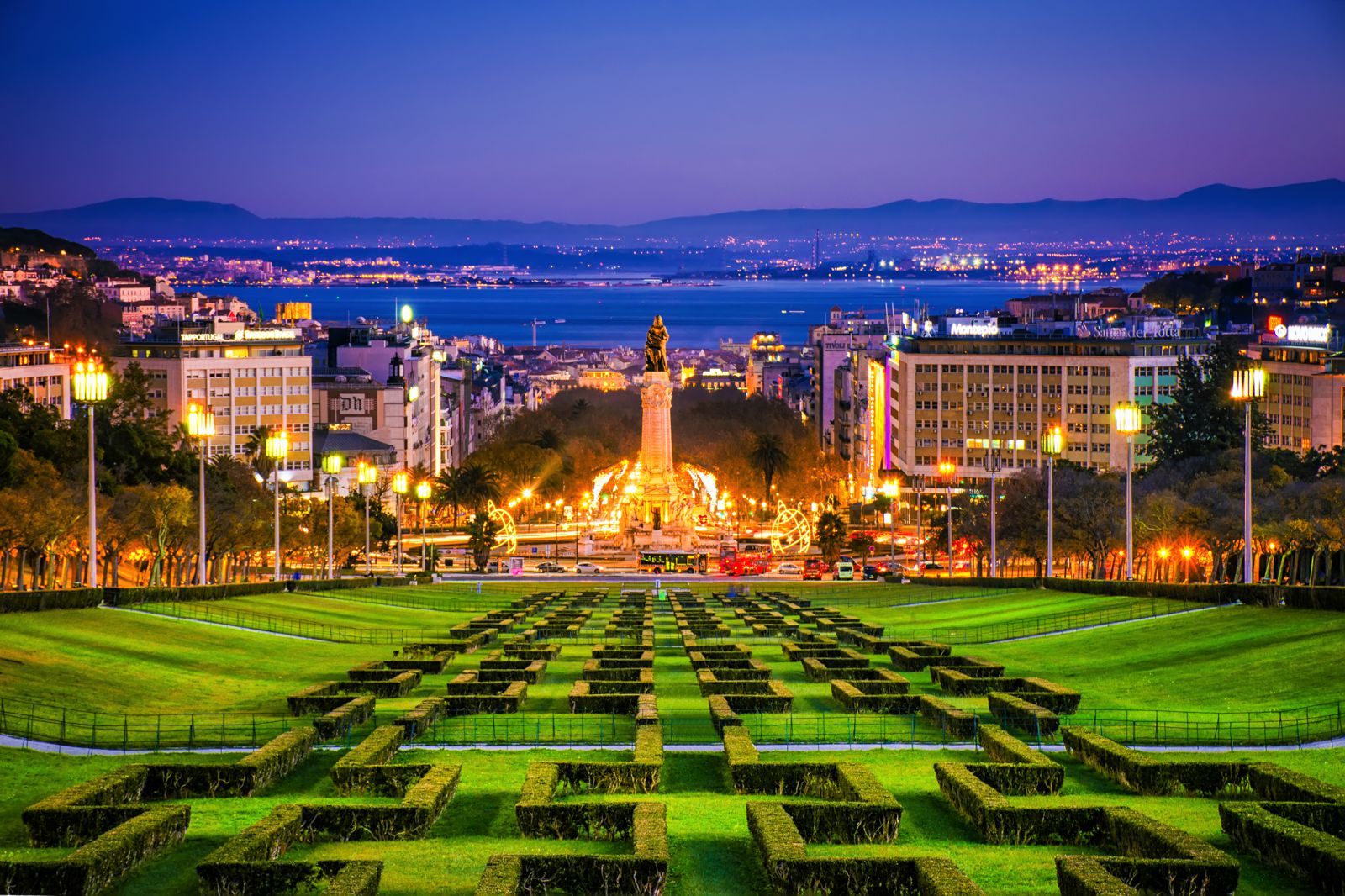
Lisbon, the capital of Portugal, is the largest city and serves as the country’s economic, political, and cultural center. The city is known for its historical landmarks, vibrant neighborhoods, and strong tourism sector.
Lisbon’s economy is diversified, with a focus on finance, technology startups, real estate, and international trade.
The city has seen significant investments in infrastructure and urban regeneration, boosting its appeal as a hub for foreign investors and expatriates.
Economy Insight: The Lisbon metropolitan area contributes significantly to Portugal's GDP, driven by sectors such as commerce, technology, and services.
2. Cascais area
The region known as the “Linha de Cascais” stretches along the coastline from Lisbon to the affluent town of Cascais. This area is renowned for its luxurious residential real estate, picturesque beaches, and high standard of living. It is popular among both Portuguese and international residents seeking proximity to Lisbon combined with a relaxed lifestyle.
Economy Insight: The Cascais area benefits from a strong real estate market, tourism, and high-quality services, supporting its local economy. The presence of multinational corporations and prestigious schools also contributes to its economic landscape.
3. Porto and Greater Porto
Porto, Portugal’s second-largest city, is known for its historic center, a UNESCO World Heritage site, and its globally recognized port wine industry.
The city is a major industrial and commercial hub in northern Portugal, with significant contributions from the manufacturing, textile, and export sectors.
Economy Insight: The Greater Porto area drives substantial economic growth through a mix of traditional industries, such as textiles and wine production, and more modern developments in tech startups and logistics.
4. Algarve
The Algarve region in southern Portugal is famous for its stunning coastline, warm climate, and vibrant tourist industry.
Known for its picturesque towns, golf resorts, and beautiful beaches, the Algarve attracts millions of tourists annually.
The region's economy is heavily influenced by the hospitality and real estate sectors.
Economy Insight: Tourism is the backbone of the Algarve's economy, supported by related services, such as property management and vacation rentals. Agricultural products like citrus fruits and seafood also contribute to local income.
5. Silver Coast (Costa de Prata)
The Silver Coast stretches between Lisbon and Porto and includes cities such as Figueira da Foz, Nazaré, and Óbidos.
This region is celebrated for its natural beauty, historical villages, and surf-friendly beaches. It has been gaining attention as an alternative to the more crowded Algarve for those seeking coastal living.
Economy Insight: The economy of the Silver Coast is supported by tourism, agriculture, and small-scale industries. There is also a growing interest in real estate as more people look for secondary homes or retirement properties.